The trunk through which the branches of my being are expressed.
The writing is the vehicle that carries the emergence of my multidimensional self.
It is at once a mirror where I observe the different aspects of my being, and a window that invites others to make their own observations. The writing is an intellectual, spiritual, cognitive, psychological and relational exercise. It is always preceded by a question — by the need to make sense of a reality, by the desire to navigate complexity, by the resolve to excavate tension.
The writing is my instrument of choice. It is to me what the chisel is to the sculptor who wields it skilfully in silence and then lets her creation emerge gradually, chip by chip.
I began writing in silence — poetry that went nowhere, that I shared with no one. It was an outlet, a way of making sense of my inner world when the outer one left no room for my voice.
The art I practised in the solitude of my bedroom found its way onto the pages of my high school essays and caught the attention of my beloved English teacher who told me I am a brilliant writer and that I should never abandon this talent. She didn't realise that her words spoke life — and that the practice I thought was just an exercise in freeing a suppressed voice was preparation for a calling.
Through my love for music, a gift I inherited from a singing family and a passionate aunt, I discovered that the written word did not have to stay private and for my teacher's eyes only.
Song, melody, rhythm, beat — these were a way of bringing the written word to life, of giving my inner world outer expression without the burden of direct explanation.
I rehearsed this talent at school first, but it was at church that I found a bigger stage. There I found collaborators — singers and musicians who could meet me in the devotional register, who could carry the lyric into sound.
The other registers — particularly the melancholy that lived in my private thoughts — found no platform there. It is expressed in other forms of written grappling.
Three books. Three questions that would not leave me alone. Each one is a record of a grappling — not a conclusion, but an arrival.
How I Took Back My Power
(2021)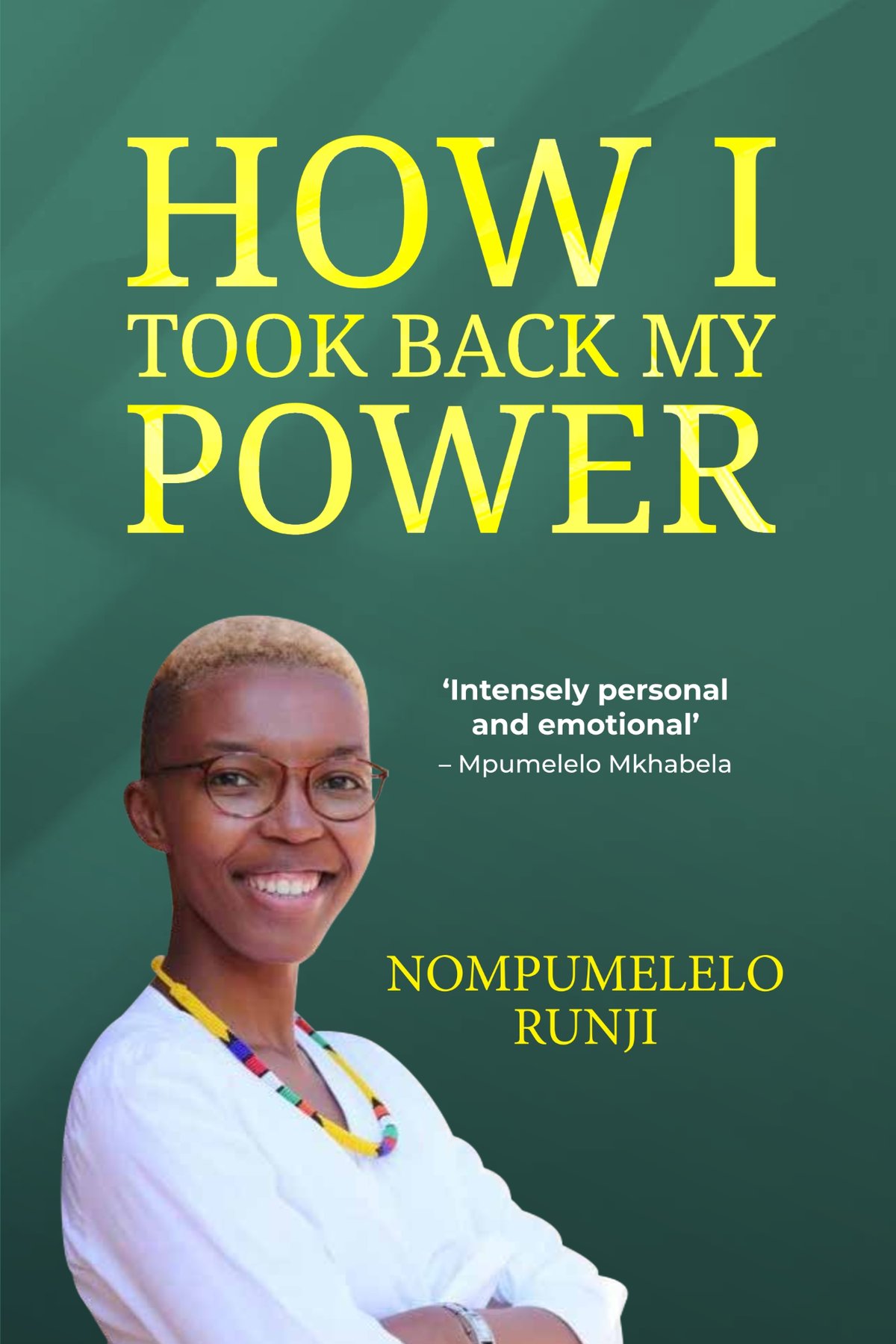
How does a self survive the contradictions it is born into — and what does it cost to surface with that self intact?
The memoir became the classroom of the Subsoil. The story I use to demonstrate the philosophy — enacted, not just described. The private, honestly rendered, as the most powerful form of the public.
The Democratic Opportunity: Does South Africa Need Electoral Reform?
(2014)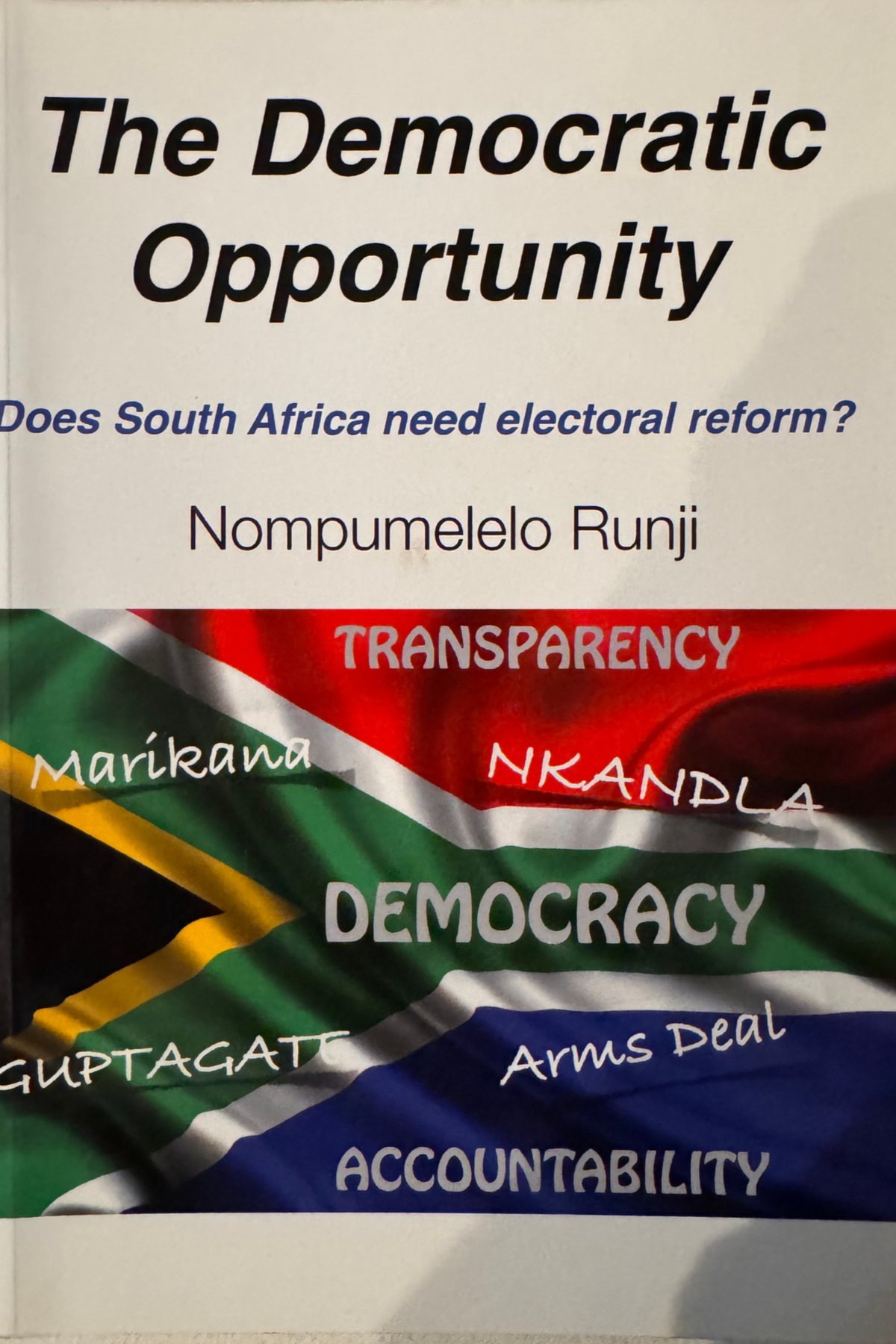
If the architecture of democracy is structurally misaligned with the will it is supposed to represent — does the vote still mean what we need it to mean?
A rigorous case for reform that named the gap between democratic promise and democratic reality. Written not as critique but as obligation — the obligation of someone who had spent years reading the subsoil of institutions.
Electoral Systems and Accountability
(2017)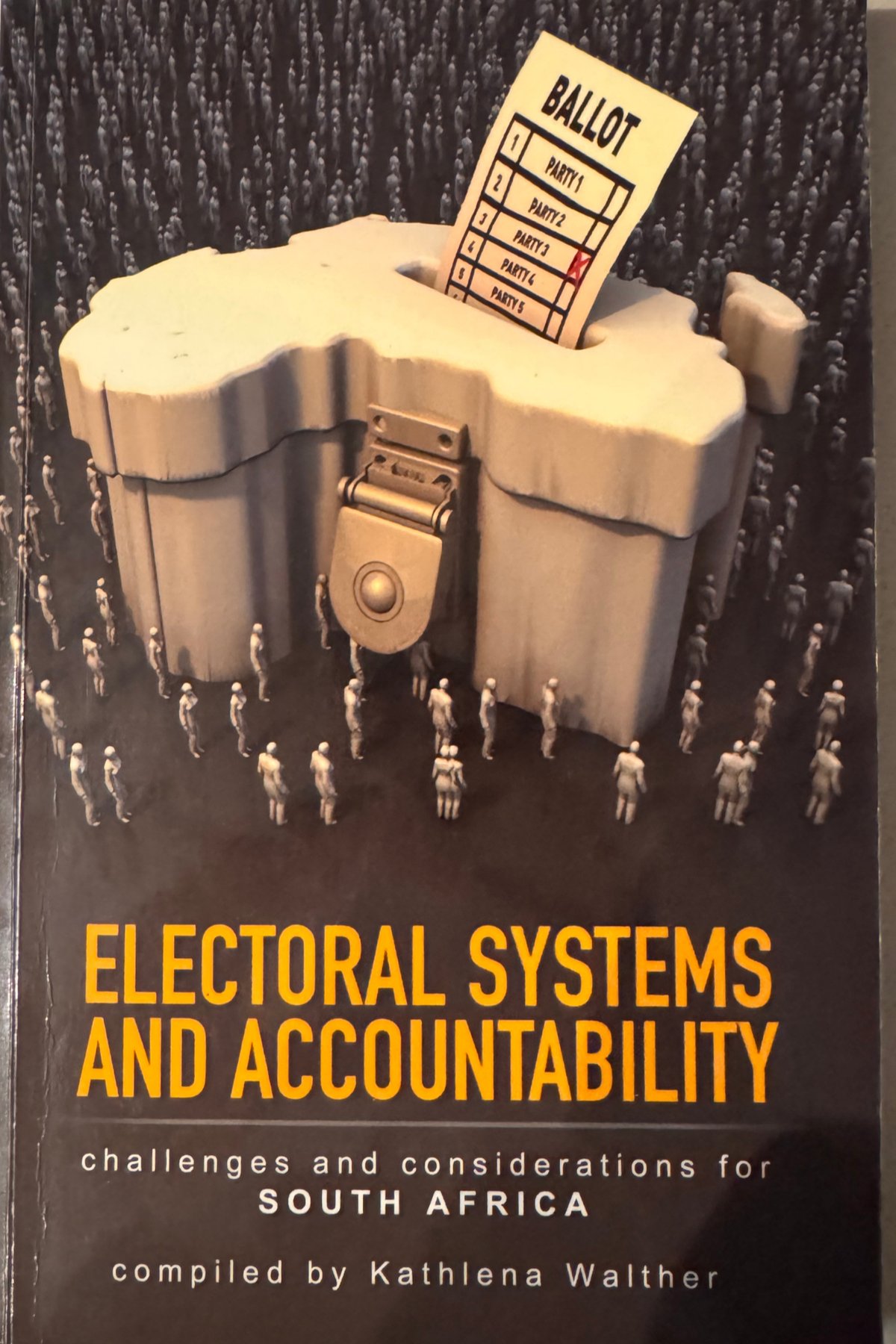
What does it cost a democracy when those who are elected answer to the party above them rather than the people below?
An excavation of the relationship between the ballot and the obligation it is supposed to create. The accountability question as the underground of every election — invisible until it is not.
The columns and thought leadership. Not occasional. Not incidental. They are where the thinking went public.
This is where the philosophy was practised before it had a name — in the weekly discipline of a column, the rigour of a research brief, the precision of a policy argument.
Week after week, year after year, publication after publication, for twenty years and counting. The writing has been featured in several local and international publications:
Words meet voices. Voices meeting instruments. That is the process of the lyric writer.
Nompumelelo shares in her own words the origins of her musical expression in an interview in 2015.
Look Beyond is a collection of songs I wrote and created with Qodesh, a group I sang with through my twenties. This was the laboratory where I experimented with the gift of the writing carried by music. I recorded Look Beyond as a refusal to let that music disappear. Recording them was an act of preservation. But it was also something more personal: a decision to be known differently. On every other platform I am the political analyst, the columnist, the sociologist. Here I am the singer. The lyricist.
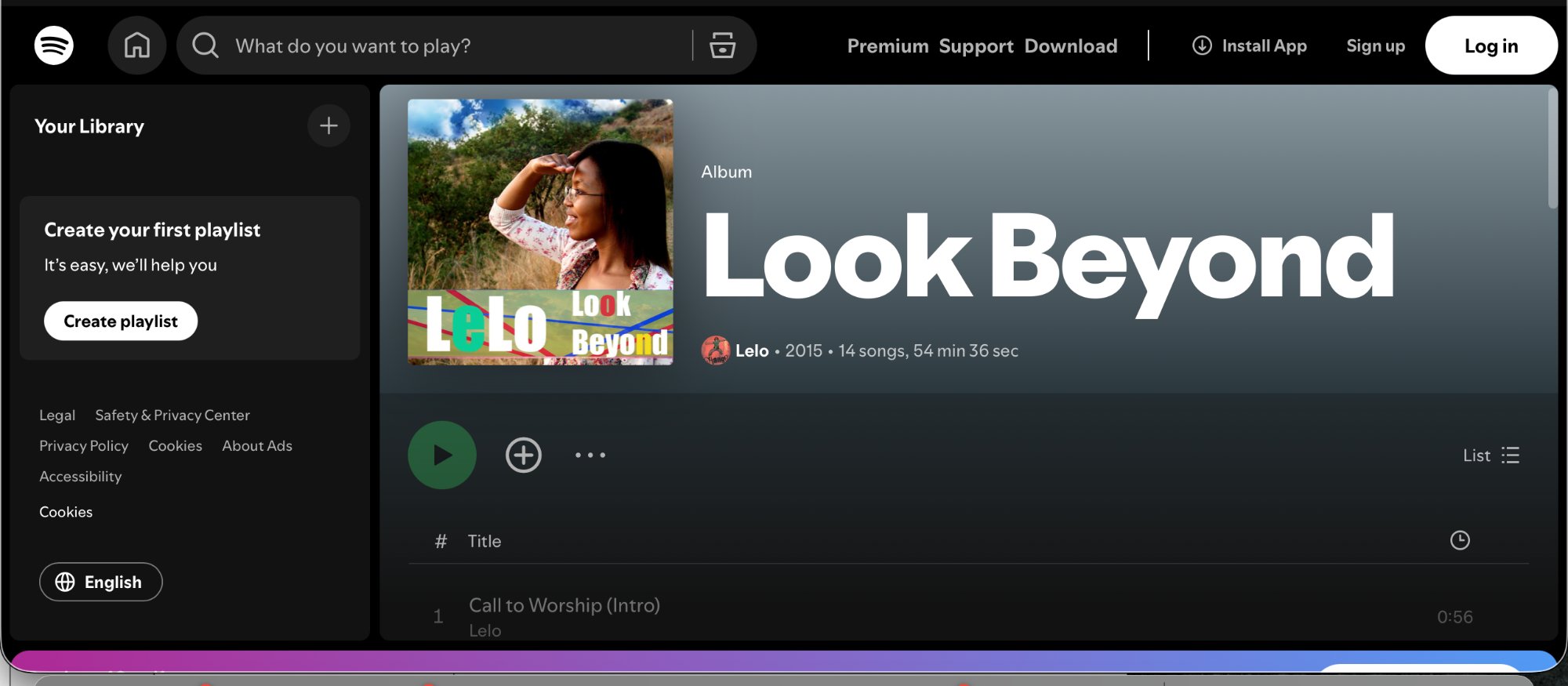
This album is no longer on Spotify. Stream all 14 tracks below.
Writing is not what I do.
It is how I arrive at what I know.
The body of work is only the evidence.